
Throughout history, every era has a bridge spanning tradition and the future, like a totem etched in our collective memory. When civilization first blossomed, ancient wisdom and innovative thinking intertwined, giving birth to a force that propelled the world forward. This force we call "innovation," and when driven by integration, it becomes the core of designing the future.
During the Renaissance, Leonardo da Vinci's brushstrokes blended the rational brilliance of ancient Greece with the intricacies of Arabic mathematics, fusing science and art into an unprecedented panoramic view that radiated the light of the future. In the Industrial Revolution, James Watt's steam engine combined craftsmanship with mechanical power, ushering in a leap in human productivity and outlining the future in rising steam. Looking at the mid-20th century, the rise of computer science, a combination of mathematical logic and electronic engineering, transformed the way information is stored and transmitted, foreshadowing the arrival of the digital age.
Today, we stand at the intersection of technology and art. Artificial intelligence and human wisdom coexist, virtual reality and the real world merge; design is no longer merely the creation of form, but the integration of thought, culture, and technology. Integrated innovation is not just a rearrangement of old elements, but a forward-looking design of the future. Just as when traditional craftsmanship meets modern technology, what is born is not just new products, but a new aesthetic and a new way of life. Architects combine ancient Eastern Feng Shui concepts with modern green building technologies to create sustainable cities; designers integrate the essence of national culture into modern fashion, creating timeless beauty that transcends time and place.
However, integrated innovation is not merely the grafting of technologies or the splicing of cultures; it is more of a transformation of mindset, a courage to transcend boundaries and break down barriers. When faced with the cultural fusion and rapid technological advancements brought about by globalization, how to find resonance in a complex world, and how to spark inspiration amidst diverse collisions—this is precisely where the challenges and opportunities of integrated innovation lie.
Future designers, like the sages of antiquity, stand at a crossroads. Their mission is not only to integrate fragmented knowledge and resources, but also to connect the past and the future through design, passing on the flame of human civilization. Contemporary design education is the builder of this bridge; it not only imparts knowledge and skills, but also cultivates a spirit of innovation that transcends boundaries, an ability to find order in chaos and create harmony in disorder.
"Designing the Future" is not just a slogan, but a mission. It requires us to navigate the sea of information and steer our ship steady amidst the waves of technology. Every spark of innovation is a journey of exploring the unknown; every creative idea is a redefinition of the future world. Just as architects sketch out spaces that never existed on blueprints, future designers will cultivate a tree of wisdom leading to the future in the fertile soil of integrated innovation.
Scroll up and down to read more content

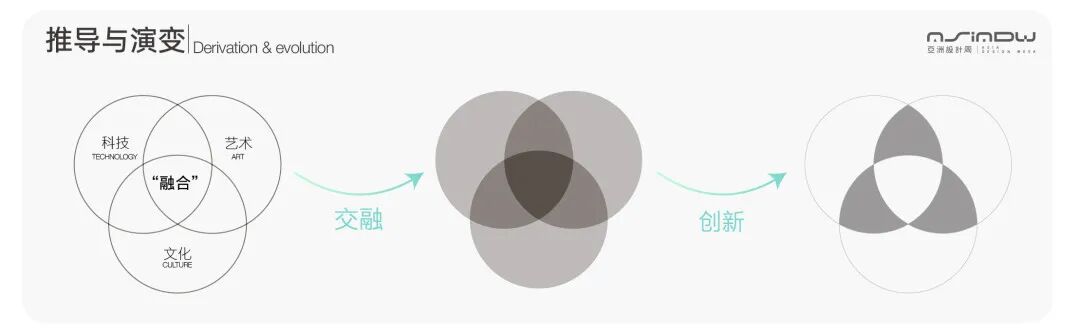
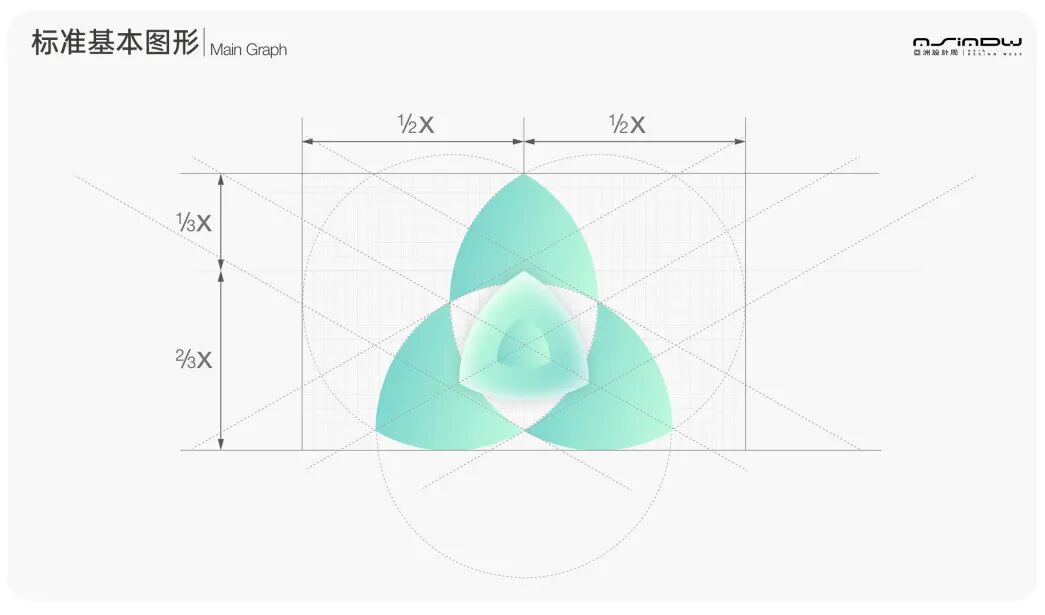
The 2024 Asia Design Week revolved around the theme of "Integration and Innovation: Designing the Future." The main visual element started with "integration ," with the intersection of three elements symbolizing the interdisciplinary research background of the design week. Based on geometric deconstruction and reconstruction, it drew energy from the cutting-edge fields of various disciplines. From "integration," a leaf-shaped triangular graphic representing "innovation" was extracted, symbolizing that human civilization will eventually flourish and spread new fruits under the convergence and interaction of different fields .
Furthermore, the overall color scheme cleverly incorporates the concepts of green and sustainable development , creating a visual identity that is both futuristic and environmentally conscious. This design not only reflects respect for and appreciation of the natural environment but also conveys a profound message: only by protecting our green mountains and clear waters can we create broader possibilities and opportunities for the future of design.
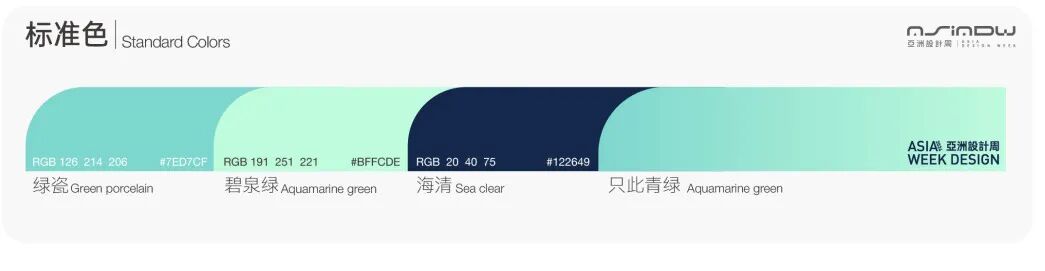
Through this visual expression, we hope to inspire more designers and participants to pay attention to ecological balance, promote sustainable development practices, and thus achieve harmonious coexistence between humanity and nature.

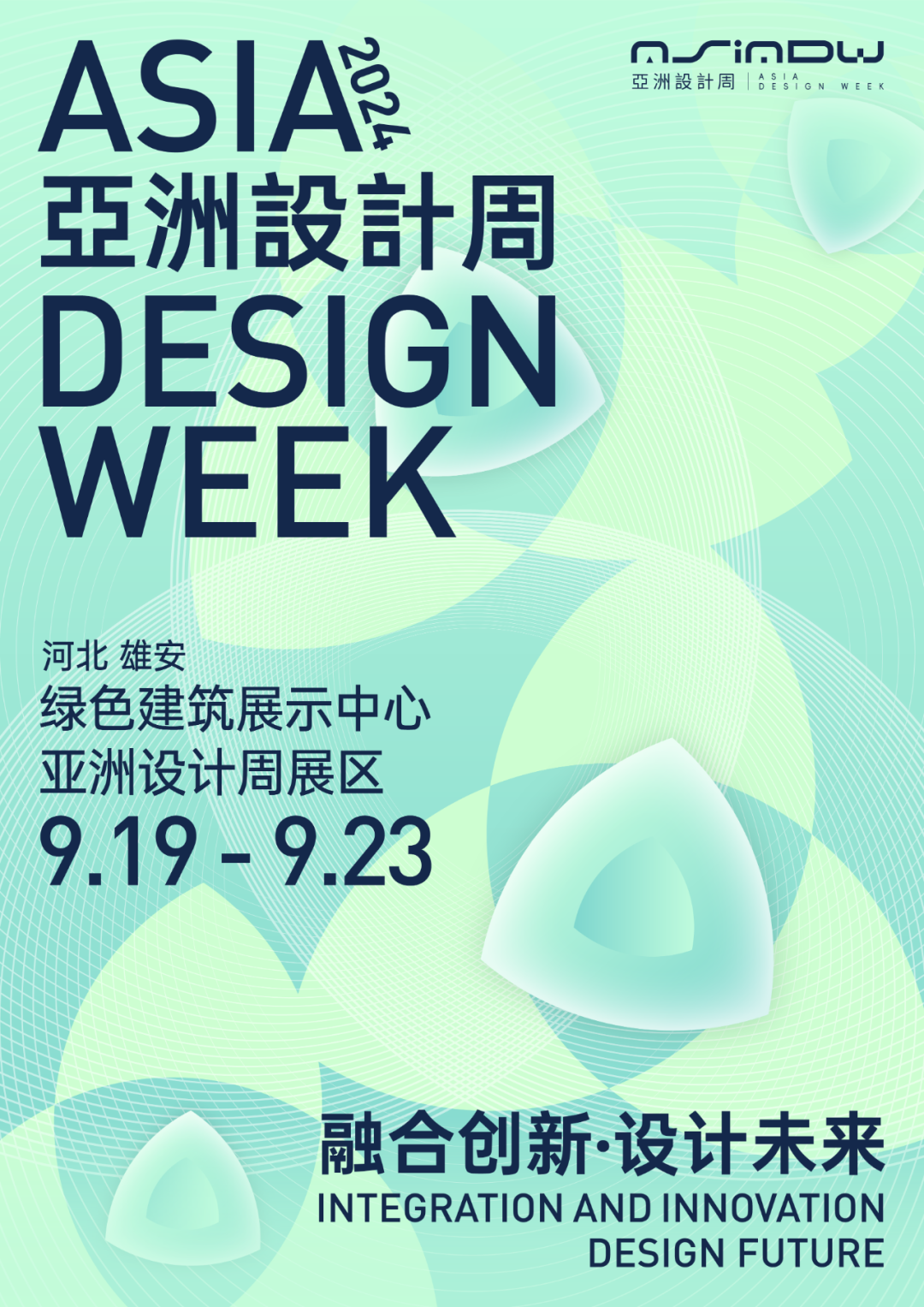
Main visual poster 1
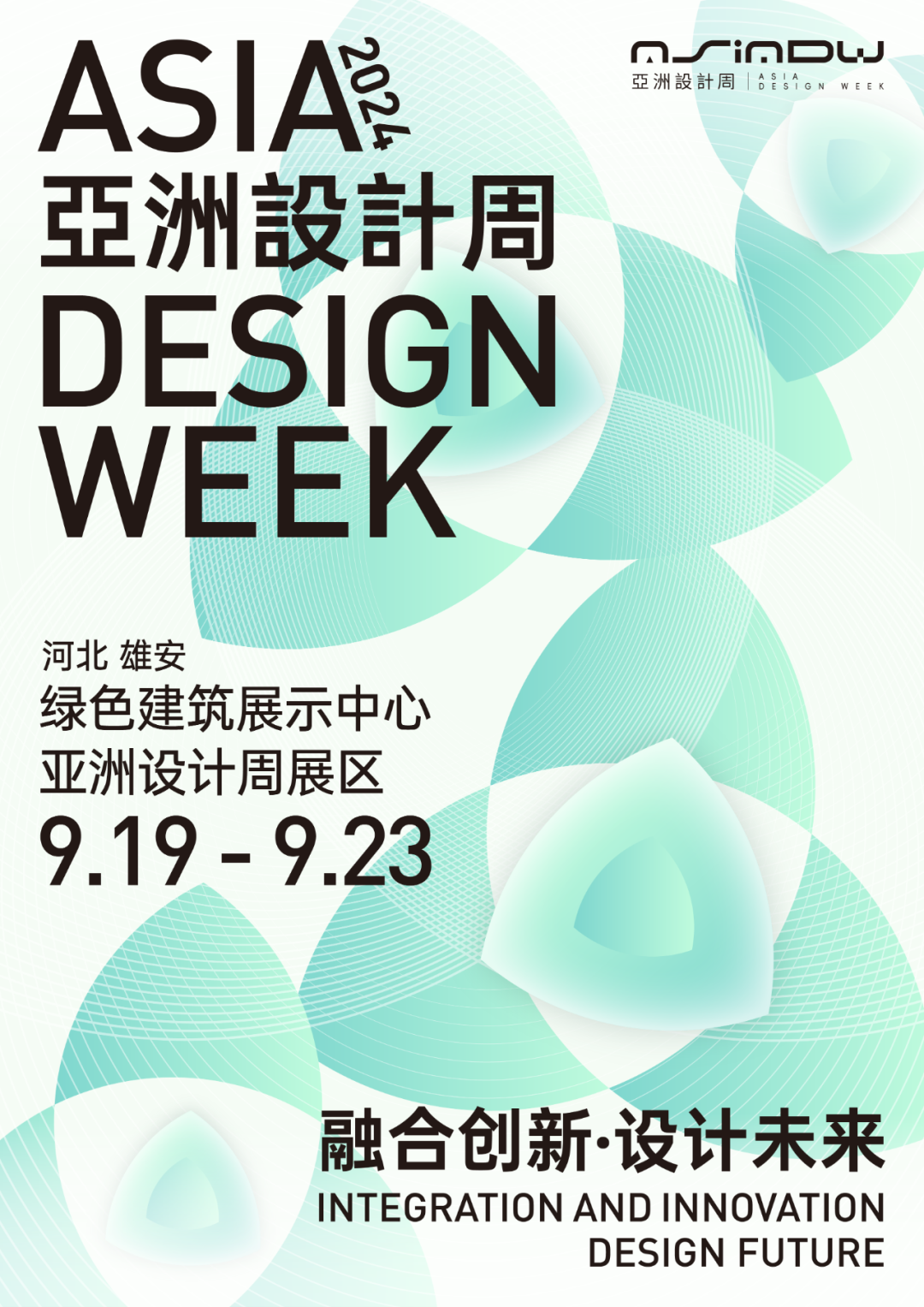
Main visual poster 2
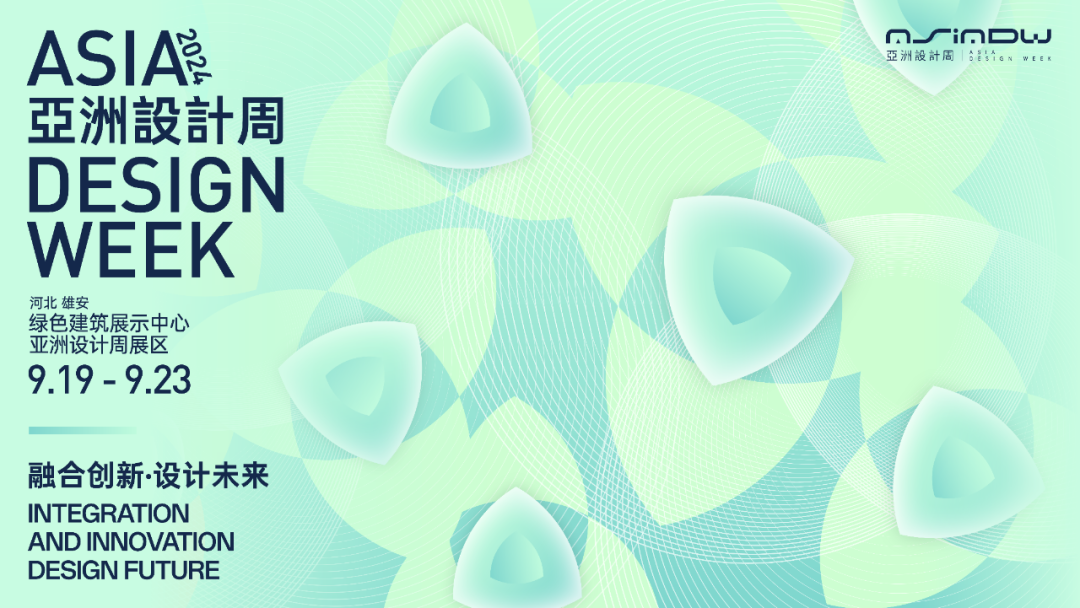
Main visual poster 3
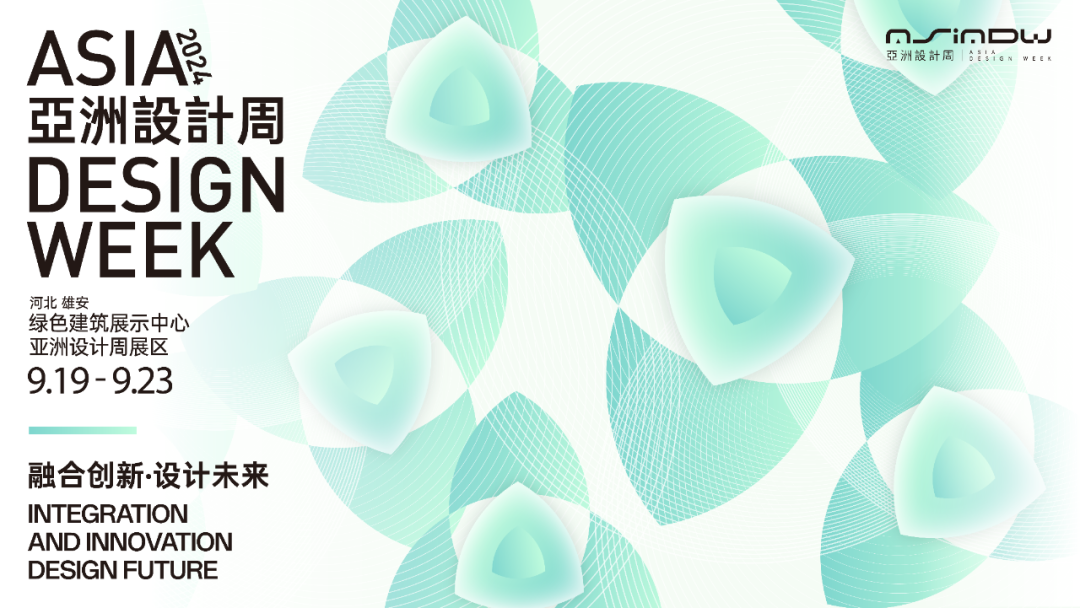
Main visual poster 4


Graphical animation
In dynamic visuals, the three petals of the main visual graphic rotate and expand from small to large, from the inside out. Starting from a tiny seed of inspiration, it is nourished and integrated from various sources, ultimately blossoming into a magnificent future. The transformation of the image is like the endless growth and cycle in nature, leading us towards a more harmonious and sustainable future with a gentle yet firm posture.

Vertical animated poster visuals

Horizontal dynamic poster visuals

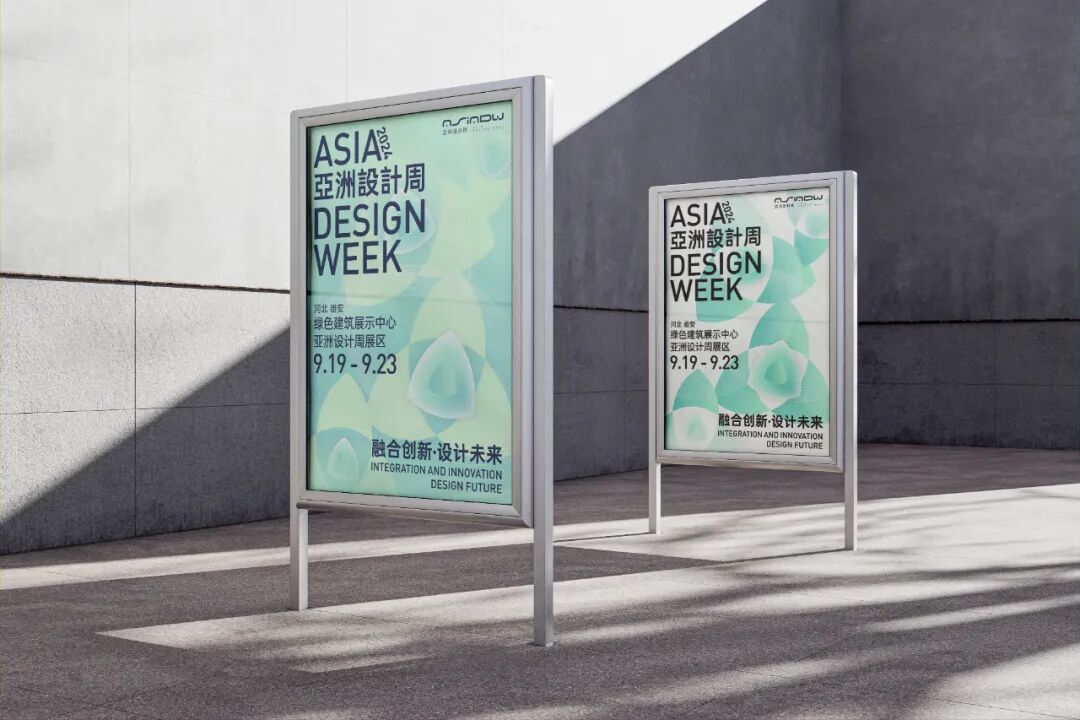
Application Scenario 1
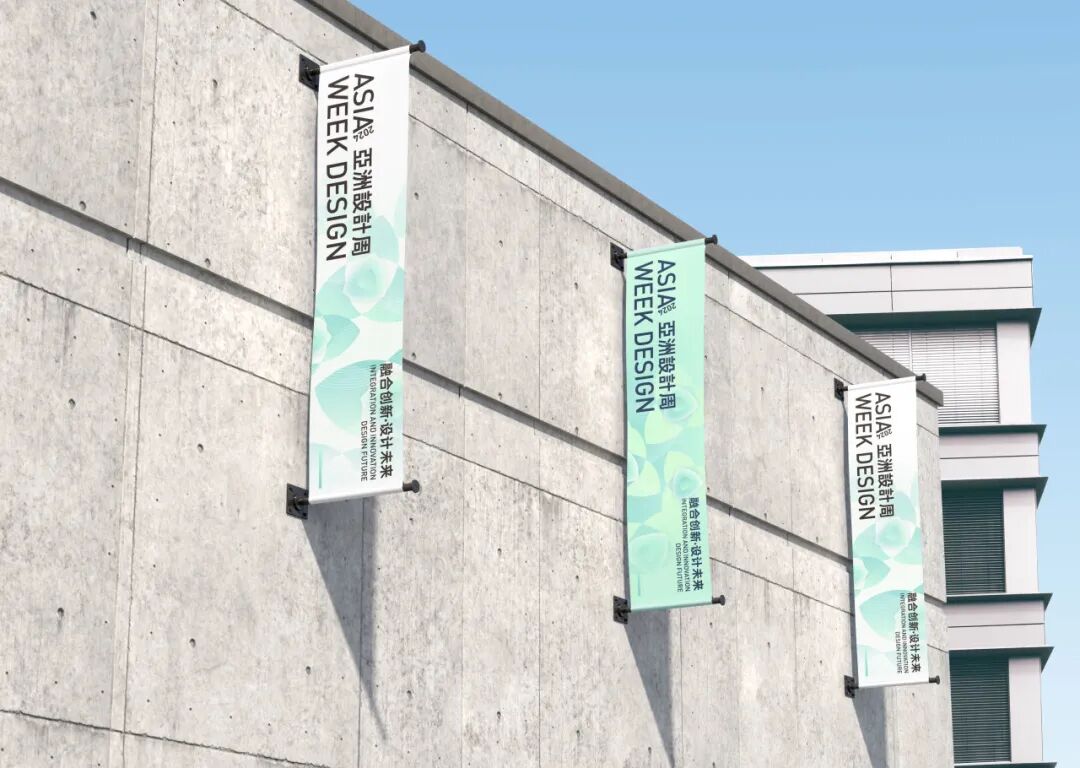
Application Scenario 2
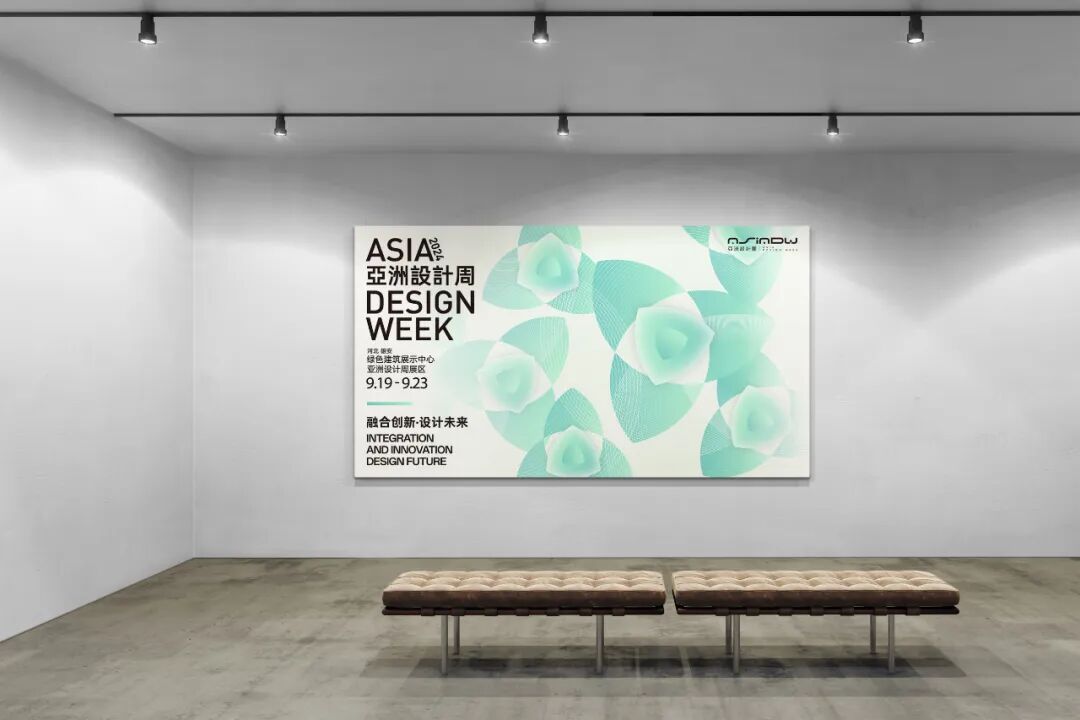
Application Scenario 3
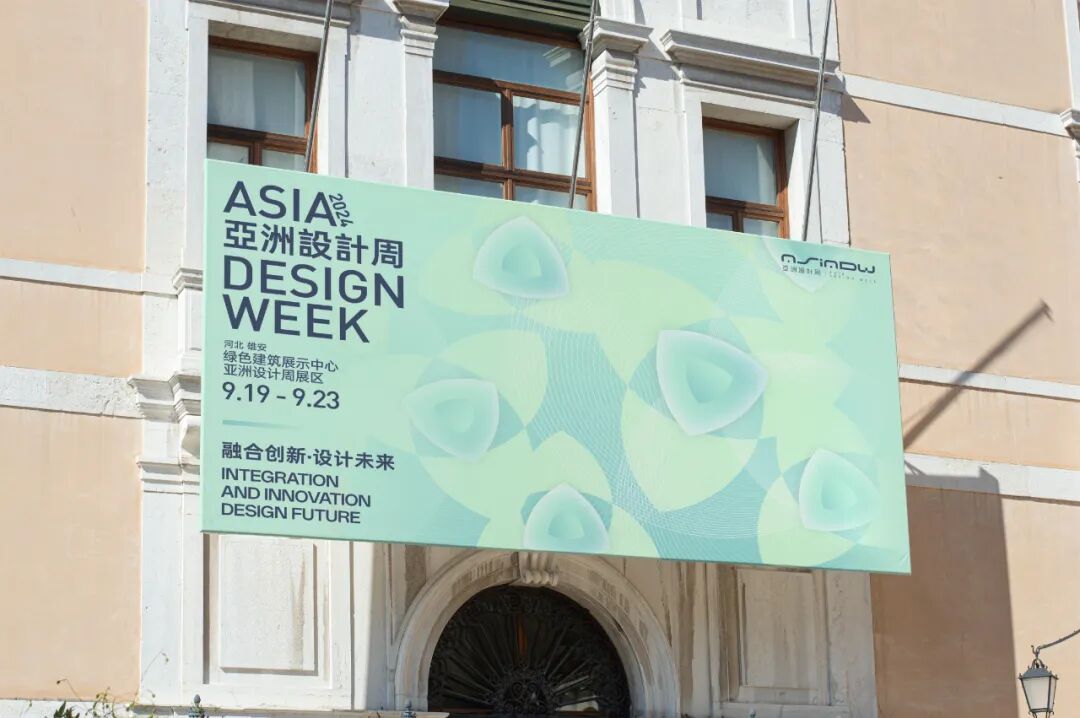
Application Scenario 4
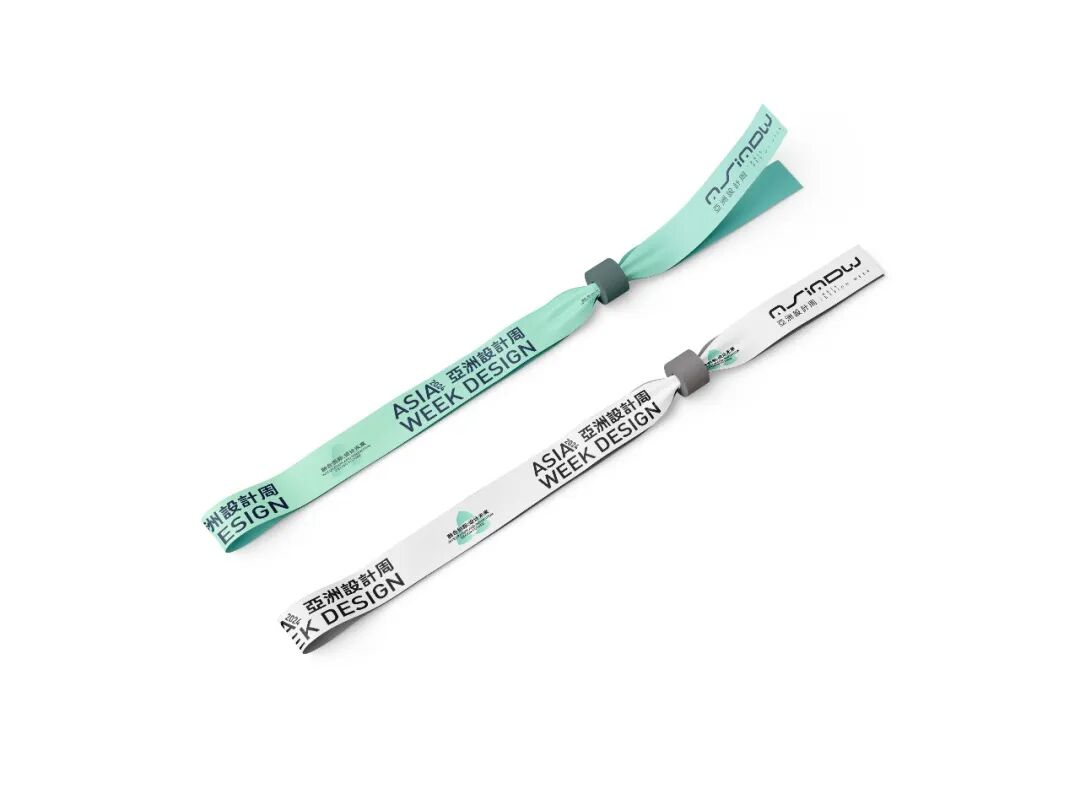
Exhibition of Lanyard
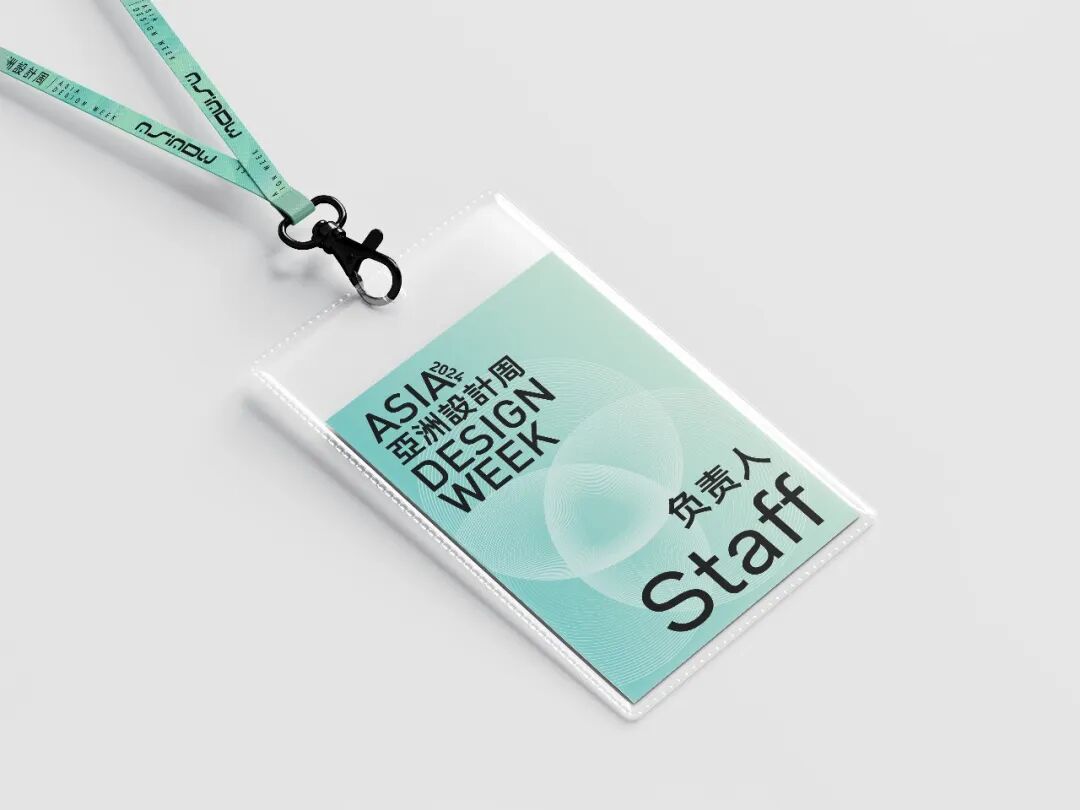
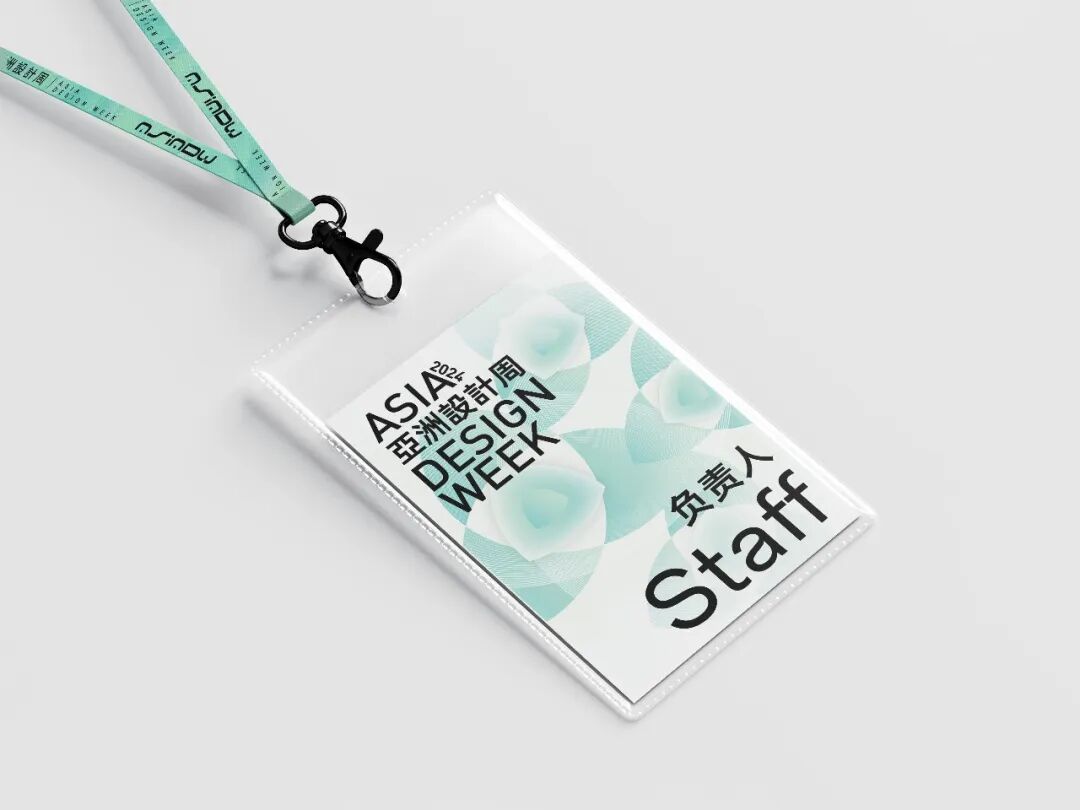
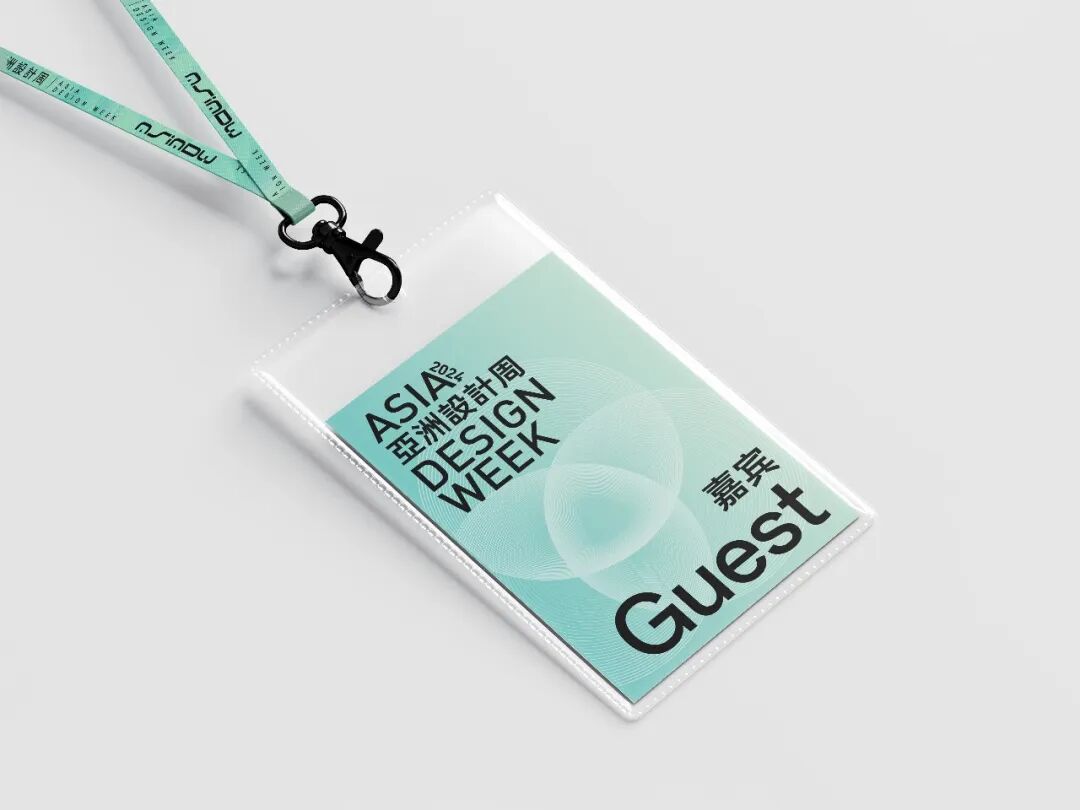
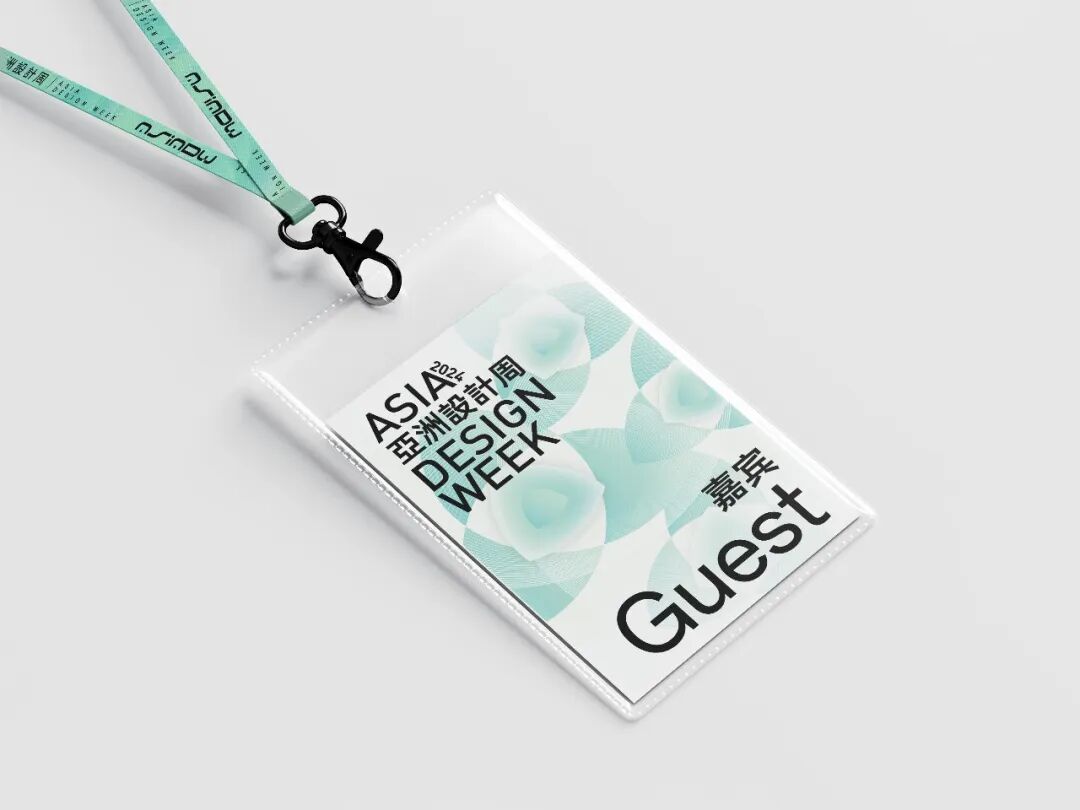
Exhibition of ID Badge





 Kuala Lumpur Office: B4-02-4, Pantai Hillpark Phase 1, Jalan Pantai Murni 1, 59200 Kuala Lumpur, Malaysia. Hong Kong Office: Room 1, 5/F, Sang Woo Building, 227–228 Gloucester Road, Wan Chai, Hong Kong.
 (+60) 1116687852
 official@asia-design-week.com